
Most people who move overseas spend weeks researching flights, visa options, and shipping costs. But almost nobody prepares for the things that actually go wrong after landing in a new country.
We’ve helped families and individuals plan international moves for years, and the regrets we hear most often aren’t about the big decisions. They usually come down to a missing document that holds up customs clearance, or a tax obligation nobody mentioned before departure. Those kinds of overlooked details tend to snowball, and by the time you’re dealing with them from overseas, the costs have already piled up.
This guide is built around real moving abroad tips from people who learned the hard way. We’ll walk you through the common mistakes, the paperwork that trips people up, and a practical overseas checklist you can actually follow.
If you’re planning an international move, this will save you time, stress, and money.
Common Mistakes When Moving Abroad and Tips to Avoid Them
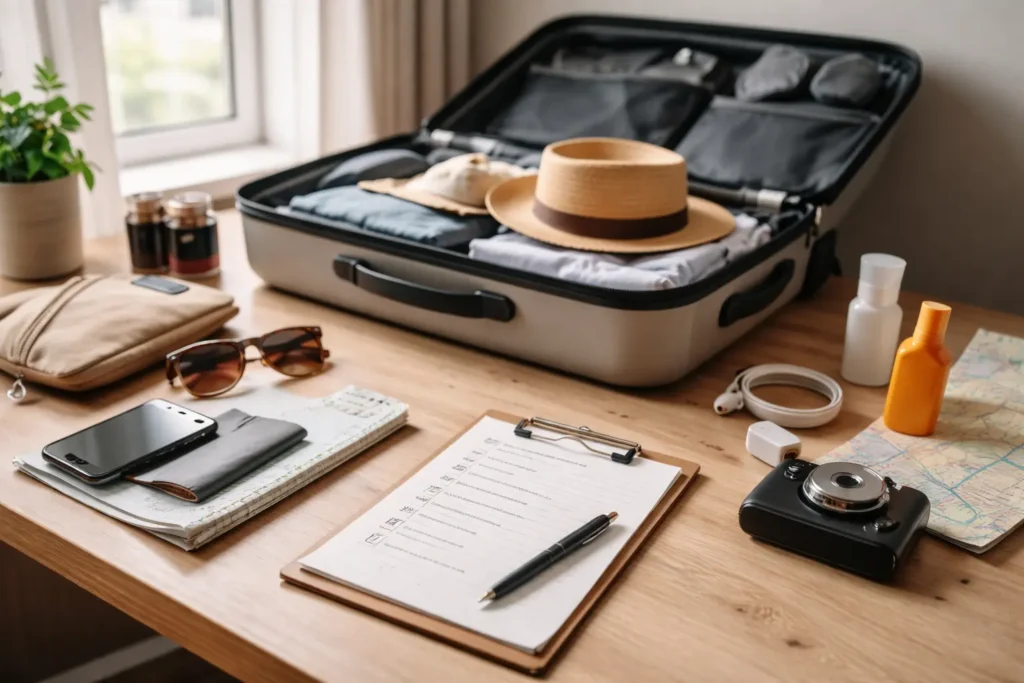
Most moving abroad mistakes come down to three things: underestimating costs, skipping research, and starting the planning process too late. And each one feeds into the next, which makes the whole situation harder to recover from. Here are the ones we see most often.
- Shipping Costs and Timelines: A lot of people assume shipping will be the easy part of an international move. So they leave it until the last minute, rush into the cheapest quote, and end up paying more when things go wrong. Getting shipping costs in writing early and comparing at least three providers will save you from that kind of surprise.
- Customs Research: Believe it or not, the 2025 Expat Insider survey found that settling into a new country was one of the biggest pain points for expats worldwide. And a big part of that starts before you even land, with customs. Not researching what the country allows through customs means your belongings get seized, or sent back at your own expense.
- Starting Too Late: We’ve helped enough families through this to know that late planning is where the stress comes from. When you start early, you give yourself room to fix paperwork errors, compare shipping costs, and book reliable movers. Once that window closes, your options shrink, and the costs start climbing.
Ultimately, the earlier you start planning your international move, the fewer of these common mistakes you’ll actually make.
Now, let’s look at the two things that cause the most hold-ups at customs.
Important Documents and Hazardous Materials That Delay an International Move
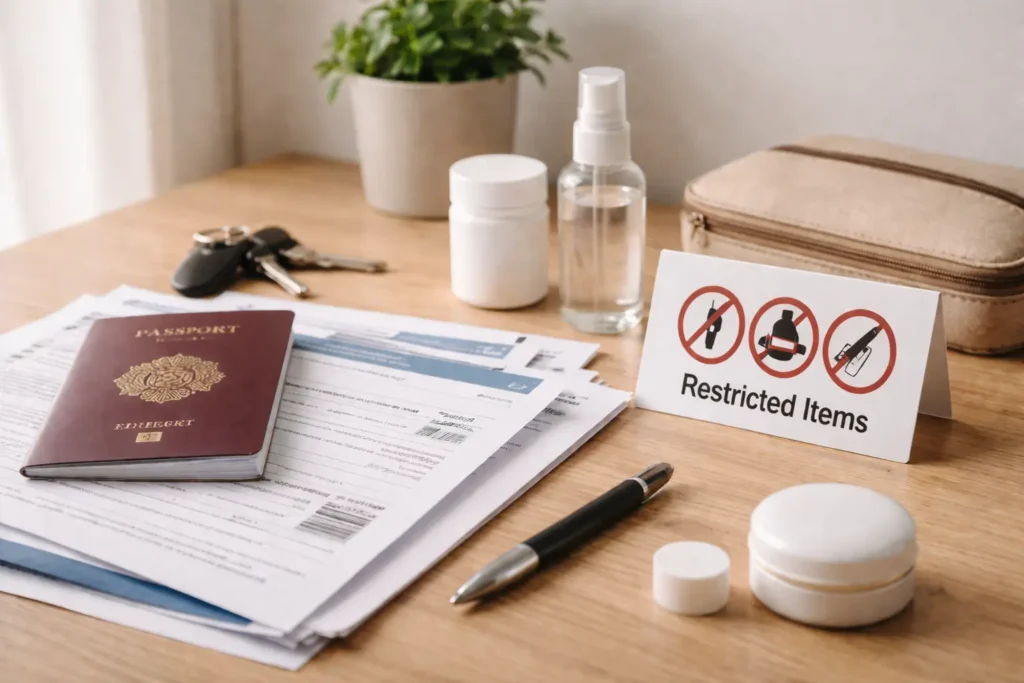
Ever had a shipment held at customs because of one missing form? It’s one of the most common reasons international moves get delayed, and the hold-up can set your entire timeline back by weeks.
There are a few things to get right before anything leaves your current home:
Documents That Need to Be Ready Before Anything Ships
Missing or outdated visa paperwork, work permits, and inventory lists are the top reasons shipments get stuck during customs clearance.
Your visa alone isn’t enough either. You’ll also need your birth certificate, original documents, and other important documents tied to your destination country’s entry requirements.
And this part isn’t optional. One missing form can hold up your entire shipment, and sorting it out from overseas is a slow and expensive process.
Hazardous Materials Most People Don’t Realise They’ve Packed
This is where a lot of international moves hit unexpected delays. Items like lithium batteries, aerosols, nail polish remover, and certain cleaning products are considered hazardous materials by most shipping companies.
Even prescription medication can cause problems if you don’t have the right documents to go with it. So, going through your packing list item by item before shipping day will help you catch these issues early, and it only takes an afternoon to get it sorted.
Local Laws and Cultural Differences That Catch You Off Guard Moving Overseas

Knowing the local laws before you arrive saves you from fines, awkward situations with neighbours, and a lot of unnecessary stress. And this is the part most people don’t think about until they’re already there.
Every new country has its own rules around noise, waste disposal, and rental agreements. If you’re moving overseas with family, things like schooling requirements and healthcare registration can vary depending on where you settle. Even how you greet your neighbours or park your car works differently in a new environment (that’s the kind of first impression nobody wants).
Then there’s the financial side. The Australian Government’s Smartraveller advice warns that when you live abroad, you leave behind the support systems you’re used to back home.
On top of that, the ATO may still consider you a tax resident, which means facing tax obligations on worldwide income. So, speaking to a tax professional before your move is one of the most important things you can sort out early.
After your paperwork and packing are sorted, the focus shifts to what happens after you actually land.
A Moving Overseas Checklist That Includes a Backup Plan
A moving overseas checklist only works if it accounts for the things most people forget, so here’s a simple breakdown to keep your planning on track.
| Area | Action |
| Timeline | Start planning at least 8-12 weeks before your move date |
| Documents | Gather your visa, birth certificate, and all certified copies early |
| Packing | Go through your packing list and remove any restricted items |
| Shipping | Get at least three quotes and confirm costs in writing |
| Budget | Set aside an emergency fund for unexpected delays or fees |
| Backup plan | Arrange temporary housing and open a bank account in your new location |
Frankly, most overseas checklists skip the backup plan entirely. And from what we’ve seen over the years, that’s the part that saves people the most stress during an international relocation.
And it doesn’t need to be complicated either. Just building in a two to three week buffer gives you breathing room when your belongings arrive later than expected or paperwork runs behind schedule.
So, if you start early and treat this checklist as a living document, you’ll walk into your new country with far fewer surprises. That alone makes the transition easier for you and your family.
Get Free Quotes and Real Expat Moving Advice Before Moving Abroad
Landing a new job or a new adventure overseas sounds exciting, but the move itself will take real planning to get right. And the difference between a stressful relocation and a successful relocation usually comes down to how early you start preparing.
If you’re serious about starting your new life abroad on the right foot, getting expat moving advice from people who’ve done this before makes sense.
At HomePort NorthWest, we help families and individuals plan every stage of their international relocation, from paperwork and shipping to settling into a new home. Request your free quotes today and give yourself the best possible start to your global experience!