
At first, moving abroad sounds exciting. The scenery you’ve only seen in pictures, a new culture, and a fresh start. Everything feels under control until your shipment hits customs and sits there for three weeks over a missing signature (if only it stopped there).
Then shipping costs double because of fees nobody mentioned, and your household goods arrive long after you’ve already settled in. What started as excitement becomes exhaustion.
These are all avoidable problems, though. You just need to know where the holdups come from before they find you.
This guide covers what causes these delays, which costs to watch for, and how to plan an international move that doesn’t fall apart mid-shipment.
Read on to learn more.
Customs Clearance Delays That Leave Your Belongings Stuck
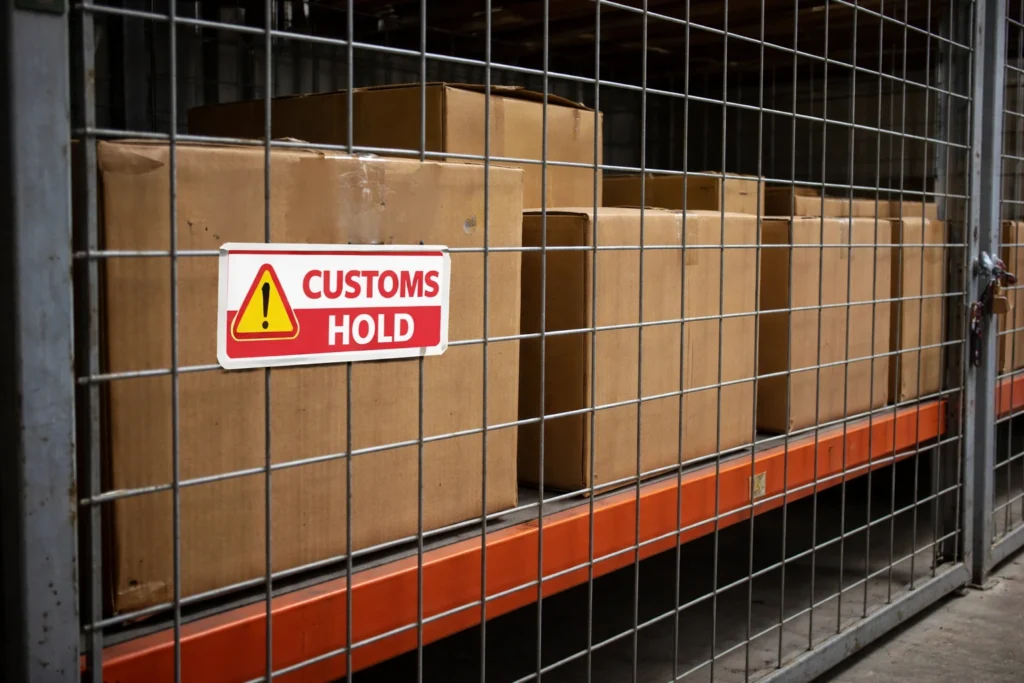
Customs clearance happens when officials check your shipment against import laws before letting it into the country. Sounds simple enough, right? In reality, this is where most international moves stall, usually because of two things: incomplete paperwork and banned items.
Missing or Incomplete Paperwork
Customs officers need specific documents to release your shipment, including detailed inventories and proof of residency. Even one missing signature or an outdated form can hold your belongings in customs for weeks. We’ve seen shipments stuck in Sydney for 18 days because the owner used an old passport number on their declaration form.
Even worse, these kinds of documentation mistakes often go unnoticed until your belongings are already sitting in a warehouse overseas waiting for clearance. By then, fixing the issue means couriering new documents internationally and waiting for customs to reprocess everything from scratch.
Prohibited Items You Didn’t Know About
Every country maintains its own list of prohibited or restricted goods, covering everything from certain foods to electronics. For example, Australia restricts untreated wooden furniture, certain types of batteries, and even some skincare products containing banned ingredients. If inspectors find these items during clearance checks, you may have to pay for confiscation or return shipping.
Checking your destination country’s prohibited items list before packing can save you from losing belongings you could have left behind or donated.
Preparing Documents Before You Ship
The good news is that both of these delays are preventable if you start your paperwork early, giving yourself time to fix errors before anything reaches customs. If you don’t know where to start, ask your movers for help.
Professional international movers know which documents each country requires and can spot mistakes before they cause problems. They’ll check your inventory matches customs forms, verify your ID documents are current, and flag anything that might slow down the clearance process.
Documentation Errors Behind Export and Import Holdups
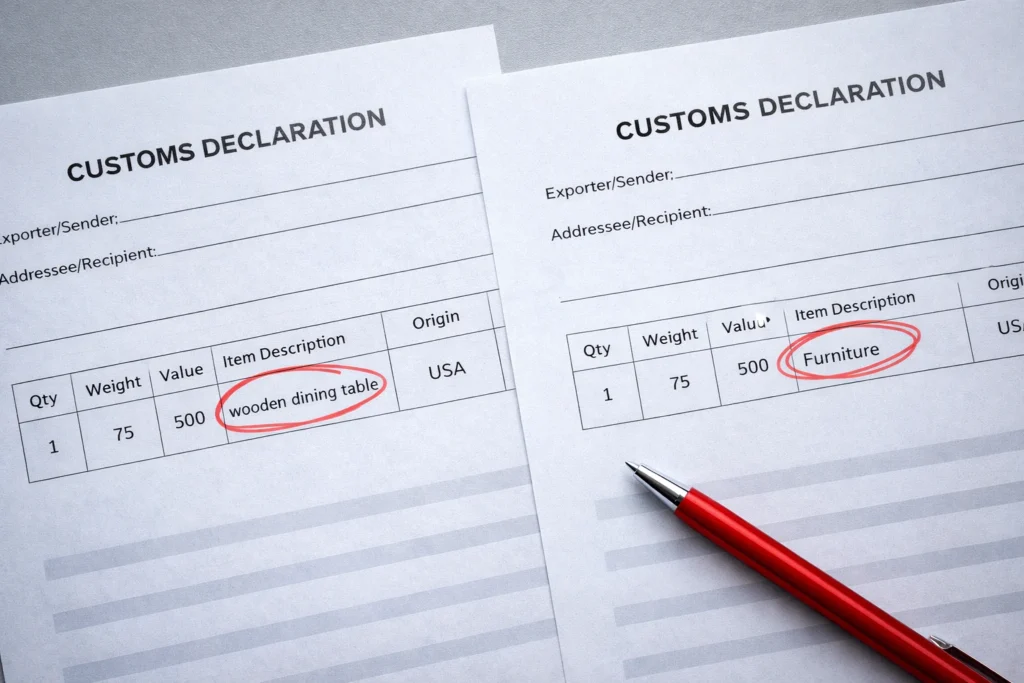
A Deep Current survey, reported by Trans.info, found that 57% of logistics executives experienced shipment delays last year due to documentation errors. Many of these errors occurred when export and import paperwork didn’t align. Common examples include:
- Mismatched Item Descriptions: Your export form and import declaration must describe items the same way. If one says “wooden dining table” and the other just says “furniture,” customs flags the mismatch and holds your shipment until you clarify which description is accurate.
- Incorrect Declared Values: The value you declare for your belongings at export must match what the destination customs expects. Declare too low, and they might assume you’re underreporting to dodge duties.
- Missing HS Codes: Every item needs a Harmonised System code (a number that identifies the item for customs purposes) so customs know how to classify it. Without the codes, customs can’t process your shipment.
Getting these details right the first time keeps your belongings moving instead of sitting in a warehouse waiting for corrections.
Shipping Costs That Catch You Off Guard
At first, a quote might look affordable on paper, but later, port fees, storage charges, and brokerage costs can quickly double the total. Here’s what’s usually missing from the estimate:
- Port Handling Fees: Your shipment passes through at least one port, sometimes two or three, depending on your route. Each port charges handling fees for loading, unloading, and storage.
- Customs Brokerage Services: Customs brokers handle the paperwork and clearance process on your behalf. Their service fees can range from a few hundred to over a thousand dollars based on your shipment’s complexity.
- Storage Charges: If your shipment arrives before you’re ready to receive it, or if customs holds it longer than expected, you’ll pay daily storage fees. These charges add up quickly when delays stretch from days into weeks.
Quick tip: Ask your moving company for a detailed breakdown that includes all potential fees, not just the base transport cost. That way, you can budget accurately and avoid scrambling for extra funds halfway through your move.
The Biggest Challenges in Coordinating an International Move
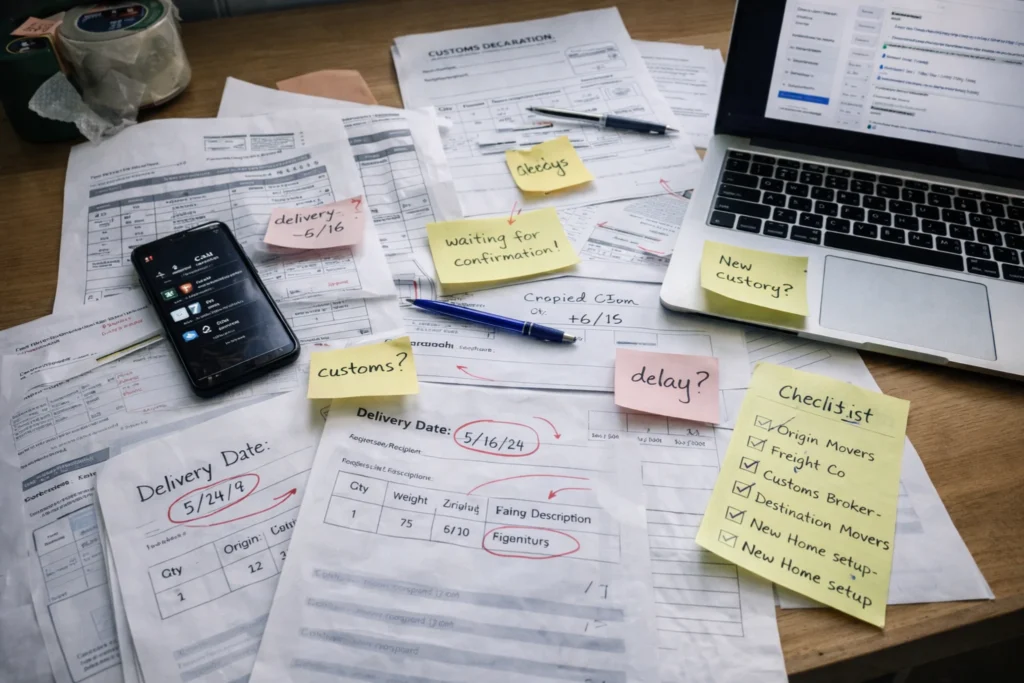
An international move involves at least four separate parties: your origin movers, the freight company, customs brokers, and your destination movers. However, none of them shares information in real time, which creates communication gaps at every stage.
For example, your origin movers may confirm your shipment left last Tuesday. But that doesn’t reveal whether the freight company has container space or if customs has received the paperwork they need. Until someone contacts you about a delay, you’re left wondering whether everything is actually on track.
These gaps also mean there’s no single point of control when issues arise. You’ll have to contact each party separately to find the source of the problem, which takes days across time zones.
Protecting Your Belongings During Transit
International shipments change hands multiple times between your old home and your new one. Each handoff increases the risk of damage, so protection needs to start before anything leaves:
- Professional Packing Services: Most movers use sturdy, weather-resistant materials like reinforced boxes and foam padding. Some even offer custom crating that protects fragile items like artwork, electronics, and antique furniture from the bumps and shifts during transit. Make sure your moving company provides these options, especially if you’re shipping valuable or delicate belongings.
- International Moving Insurance: Your local home insurance might not cover international shipping, so check your policy before you pack. Most policies cover damage or loss during transit, but you’ll need to declare the value upfront to ensure proper reimbursement.
- Choose the Right Shipping Method: Sea freight is cheaper for large shipments, but it exposes your belongings to humidity and longer transit times. By contrast, air freight costs more but reduces the time your items spend in transit, which lowers the risk of damage.
Taking these steps before your move protects your household goods from damage and gives you peace of mind throughout the journey.
Weather and Tracking Issues Behind Delivery Delays
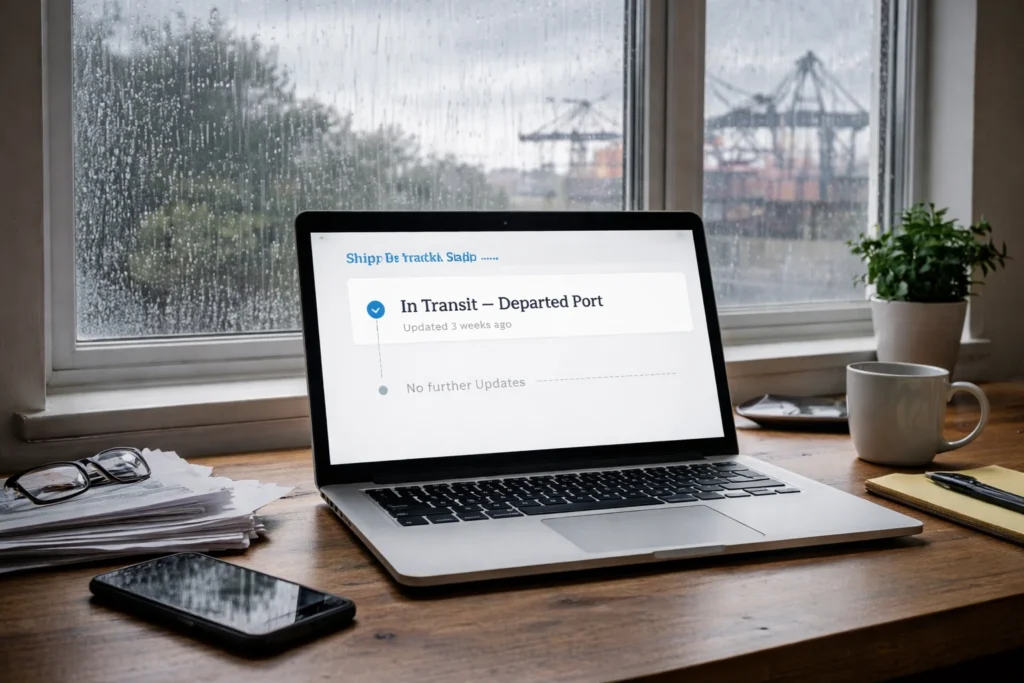
Most moving companies give you an online tracking link that shows your shipment’s status, but it often stays stuck on “in transit” for weeks with no real updates. Two major factors cause this:
| Issue | What Happens |
| Weather | Storms, cyclones, and heavy seas can delay ships by days or even weeks. Ports close during severe weather, and shipping routes get rerouted to avoid dangerous conditions. |
| Tracking Gaps | Your tracking portal shows basic milestones like “departed port” or “arrived at destination,” but it doesn’t tell you if customs is reviewing your paperwork, if there’s a backlog at the warehouse, or when your shipment will actually clear for delivery. |
Plan for delays: Build buffer time into your moving schedule. If you need your belongings by a specific date, arrange delivery at least two weeks earlier to account for weather disruptions, customs processing, and peak-season backlogs.
Plan Ahead and Dodge the Worst Moving Abroad Problems
Moving issues like customs delays, surprise costs, and coordination breakdowns don’t happen by chance. They happen when paperwork isn’t prepared early, when costs aren’t clarified upfront, and when no one’s managing the handoffs between your movers, freight companies, and customs brokers.
Proper planning prevents most of these issues. Start your documents early, ask for a detailed cost breakdown, and work with a moving company that handles international moves regularly. They’ll know which forms Australia requires, which items to avoid packing, and how to keep your shipment moving through customs without delays.
Ready to plan your international move? Contact HomePort NorthWest for expert support that takes the stress out of moving overseas.