
An overseas moving timeline is the planned schedule that guides every step of your international relocation. It covers everything, including booking your shipping container along with sorting important documents well before your departure date.
Without a solid plan, things like customs clearance, visa paperwork, and shipping bookings don’t wait for you to feel ready. Most people who struggle with their overseas move say the same thing: they didn’t start early enough.
This article walks you through why your timeline is significant. You’ll also find out how to plan effectively so your move overseas goes smoothly from day one.
Plan Early or Pay More: How Your Overseas Moving Timeline Affects Costs
Book early and your overseas move costs less. It’s that simple. The earlier you lock in a shipping company, the more control you have over your international moving budget.
Leaving it too late means peak season surcharges, limited vessel availability, and last-minute freight upgrades all land at once. A good rule of thumb is to start your international moving process at least 12 weeks before the date of leaving.

That window gives you room to compare services, prevent delays, and avoid the kind of panic decisions that hurt your wallet. Once you’ve got the timeline sorted, everything else in the move will fall into place.
The Hidden Costs of a Rushed International Moving Plan
Booking a container two weeks before you leave puts your entire overseas move at risk. And in international moving, that kind of rushed approach almost always costs Australians more than they’d budgeted for.
Let’s break down exactly where those costs come from:
What Late Container Shipping Bookings Actually Cost You
Late container shipping bookings push you onto premium vessels with far higher freight rates. On that note, international moving companies often charge peak-season premiums of 20% or more for last-minute slots.
On top of that, high-value items sometimes need repackaging when vessels change at short notice. That repackaging fee lands on your bill before your container even leaves the port.
Flexible timelines, by contrast, let you lock in economical sailing dates without any of that pressure.
Air Freight vs. Sea Freight: Which One Fits Your Timeline
Now, let’s see what your timeline means for your choice of shipping method.
Air freight is faster, but it’ll cost you four to six times more than sea freight per kilogram. So for most Australians relocating overseas, sea freight is the more wallet-friendly option.
Here’s a quick side-by-side:
Factor | Air Freight | Sea Freight |
| Transit Time | 3–7 days | 20–45 days |
| Relative Cost | 4–6x higher | Budget-friendly |
| Best For | Urgent items | Full household loads |
| Booking Lead Time | 1–2 weeks | 8–12 weeks |
Pro Tip: Plan 12 weeks out, and sea freight is well within reach for your desired country.
Customs Clearance: How Long It Takes by Destination Country
Once your container is on the water, customs clearance is the next thing to prepare for.
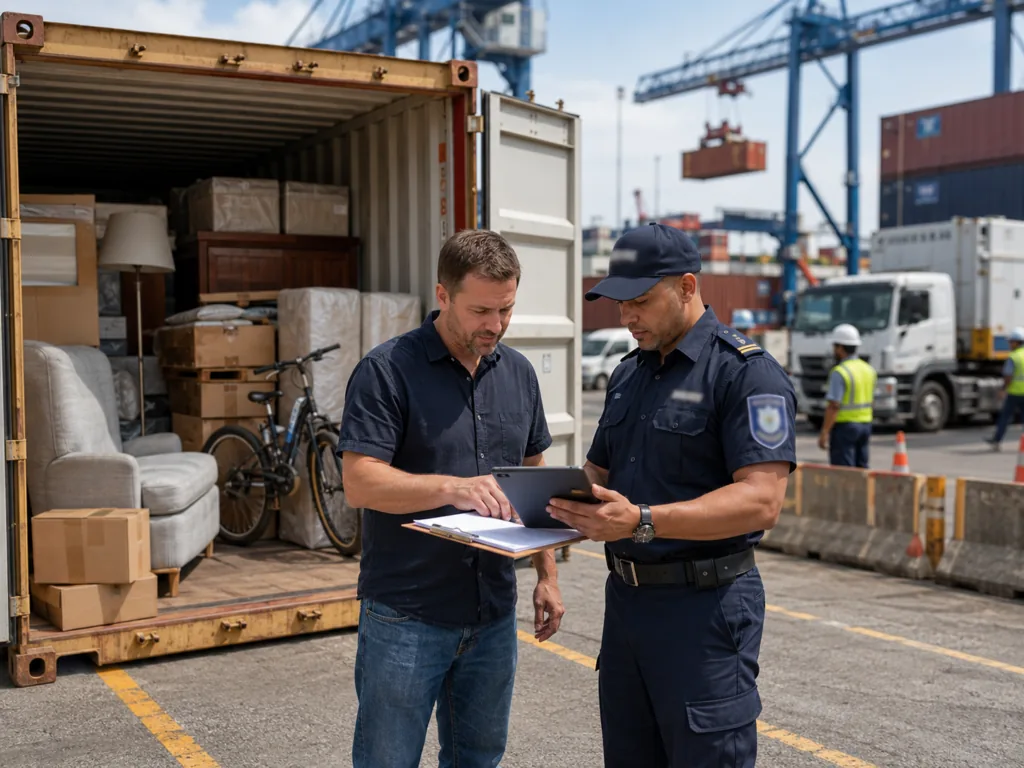
Timelines vary widely depending on your destination country’s import declarations and customs requirements. While some countries process shipments in three to five days, others stretch to three to six weeks.
In most cases, missing or incorrect import documents are what cause the hold-ups. So, double-check every form well before your container ships to prevent delays at the border.
Important Documents That Take Longer Than You Think to Process
Sorting your documents early is the one thing that keeps your entire moving abroad checklist on track. Smartraveller’s guide on living overseas puts it plainly: proper preparation before you leave saves your family members weeks of unnecessary stress at the other end.
These are the necessary documents most Australians underestimate when relocating overseas:
- Passport and Visa Applications: The application process for both can take anywhere from four to 12 weeks. Start these first, well before anything else on your overseas checklist.
- Medical Records and Medical History: Certified copies of your medical history aren’t something healthcare providers in your new country will chase up for you. Get them from your GP early and keep them accessible.
- Financial Statements: Banks and landlords in your destination country often need these as proof of income. Don’t leave them to the final weeks of your move.
- Police Checks: Eight weeks. That’s how long a police check from your home country can realistically take to process. Many destination countries won’t approve your residency application without one.
When you get all of these sorted inside your first four weeks of planning, it saves you a significant amount of stress down the track.
Banking, Financial Statements, and Emergency Funds Before You Leave
Many Australians only think about banking and insurance after they’ve landed in their new country. By that point, you’re already behind. Getting your banking setup sorted before your departure date keeps your finances stable from day one of relocating overseas.
Your family members will thank you for it too. Run through each of these before your departure date:
How to Open Bank Accounts Before You Land
Some international banks let you open an account from Australia weeks before you arrive. Here’s what you’ll typically need ready:
- Valid passport and identity documents
- Proof of address in your destination country
- Recent financial statements
- Your new country visa or residency approval
Better, research your desired country’s banking requirements at least eight weeks out. International banking services differ widely between countries, so what works in one country won’t automatically apply in another.
Insurance Coverage: Which Policies to Confirm Before Departure
Now, let’s cover the insurance side of your move.
Transit insurance is the first policy you need to confirm before your container departs. Beyond that, your insurance policies should cover health, contents, and medical evacuation for your new location.
Pro tip: Always read the fine print on every policy before signing. Gaps in insurance coverage during your relocation can leave you exposed to costs that wipe out your budget entirely.
Why Your Emergency Fund Needs to Be Ready Before You Move
An emergency fund of three months’ living expenses is the standard recommendation for any overseas move. Unexpected customs fees, short-term temporary accommodation, and delayed bank transfers are exactly where that buffer gets used.

It’s also worth checking your tax obligations with the Australian Taxation Office before you leave. Your residency status directly affects what you owe back in your home country.
The Decluttering Process: Where It Fits in Your Moving Schedule
Start the decluttering process at least 10–12 weeks before your shipping date. Every item you cut from your load will reduce your shipping volume, which directly brings your freight costs down.
Go room by room and build a clear packing list as you go. Anything you won’t need in your new location can go to storage solutions, sold, or donated well before moving day. Our international moving services can also guide you on what’s worth shipping versus what’s worth leaving behind.
Most people find the decluttering process doubles as a chance to reset before a big move abroad. You’re stepping into a new environment, so take only what genuinely fits the next chapter of your life.
Your Overseas Relocation Starts With One Decision
Now that you know what a solid overseas moving timeline looks like, the next step is putting it into action. Careful planning across every stage of your international relocation is what separates a smooth move from a stressful one.
Start with these four steps:
- Sort your important documents and medical records first
- Lock in your shipping date at least 12 weeks out
- Set up your bank accounts and insurance policies early
- Build your emergency fund before your departure date
Remember, every successful move abroad comes down to one thing: starting earlier than you think you need to. Your friends and family back home will still be there. But your moving process won’t wait.
Reach our team at HomePort NorthWest today, and we’ll help you build a realistic plan for your international relocation from day one.