
Customs delays typically happen for three reasons: incomplete documents, incorrect valuations, and restricted items that you didn’t declare. And to avoid a costly holdup, every one of those three areas needs your attention before your container gets loaded.
To put it plainly, customs officials don’t give second chances at the border. One unsigned form or a missing packing list and your household goods can sit in a holding facility for weeks. That wait comes with storage fees you weren’t planning for.
This guide breaks down the common causes, the documents you’ll need, and the preparation steps that keep your shipment moving. Because the more you know before your container gets loaded, the less you’ll deal with at the border. Let’s get into it.
Why Do Customs Regulations Abroad Catch Australian Movers Off Guard?
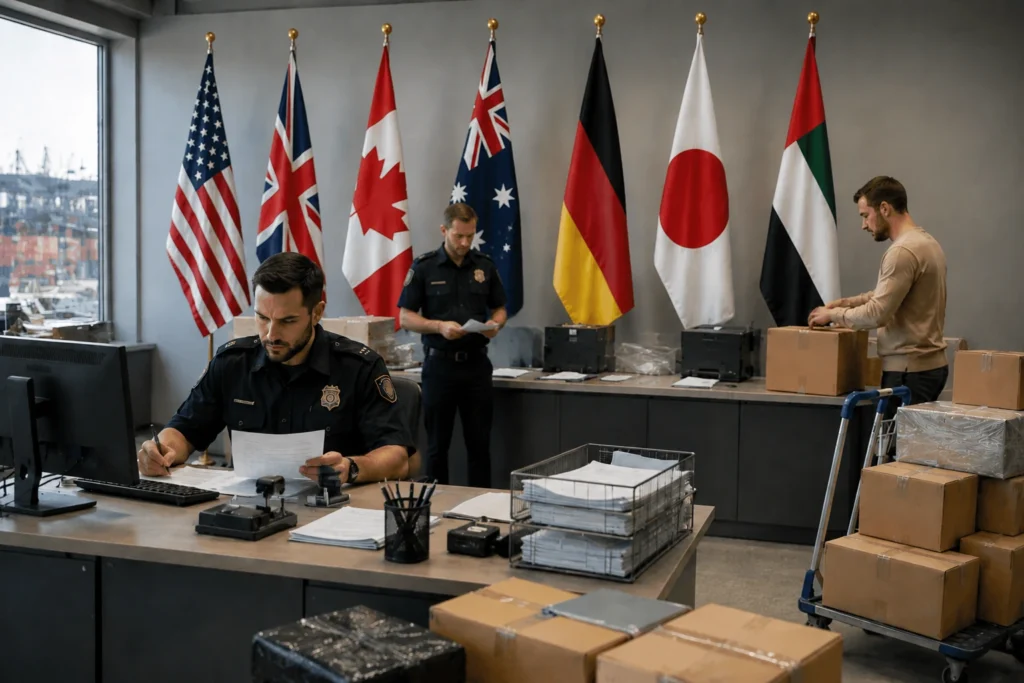
Australians moving overseas frequently face customs clearance holdups because each destination country applies its own import rules independently.
And those differences don’t show up until your shipment is already sitting at the border. That’s why your paperwork needs to be in order long before your container gets loaded.
So what does that look like in practice? Think of it like boarding a flight. One document out of order and you’re not getting through the gate, regardless of how prepared everything else looks.
The Paperwork That Stands Between You and a Delayed Shipment
Not every shipment that leaves Australia clears the border on arrival. In fact, one rejected document, and your household items sit in a holding facility until agents are satisfied. Your safest move is to have every document checked and verified well before your departure date.
Customs agents zero in on two things when a shipment arrives:
Goods That Customs Agents Check First
Customs agents go straight to household items that might carry dangerous goods, like chemicals, batteries, or aerosols.
What’s more, items that aren’t professionally packed or clearly labelled get pulled aside for a closer look. Under the Department of Agriculture‘s specific biosecurity requirements, agents assess personal effects from Australia individually before clearing them.
To get through that individual assessment without holdups, careful packing and accurate labels on your packing boxes are non-negotiable.
When the Rules Differ Country to Country
Also, don’t be surprised if forms accepted in your home country aren’t valid in your destination country.
Every new country sets its own local laws, and local language requirements alone can get your documents rejected. A legal document issued in English often isn’t accepted without certified translation (Japan and the UAE are specifically strict on this).
Pro Tip: A quick check on your destination country’s specific requirements before departure can save weeks of delays.
Dangerous Goods: What You Can’t Ship Moving Abroad
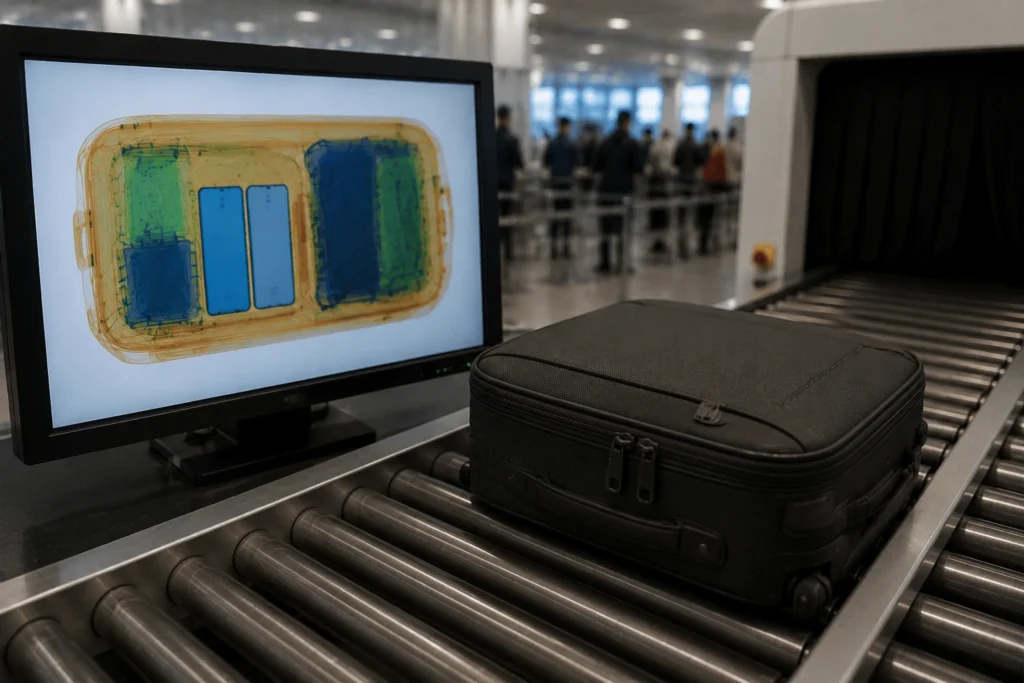
As we’ve mentioned before, aerosols, lithium batteries, and specific chemicals are restricted or banned in many countries when moving abroad. And not knowing about those restrictions won’t save you at the border (border officials apply the rules regardless).
Let’s run through the items that cause the most trouble at customs:
- Aerosols and Sprays: Spray paint, deodorant cans, and hairspray are subject to aerosol restrictions in most destination countries. For that reason, declaring them upfront is what keeps fines and seized shipments off the table.
- Lithium Batteries: Standalone batteries, such as power banks and spare laptop batteries, catch many people off guard regarding shipping restrictions. In most cases, that’s down to how airlines and shipping carriers classify them. Countries like Japan treat them as a fire risk and assess them separately from the rest of your shipment.
- Chemicals and Cleaning Products: Bleach, paint thinners, and solvents don’t travel well across international borders. Customs authorities in most destination countries classify them as hazardous goods, and won’t let them through.
The safest approach is to check every item against your destination country’s restricted goods list before your container gets loaded. Your moving company can help you identify what stays and what goes.
The Problems That Send Shipments Straight to Inspection
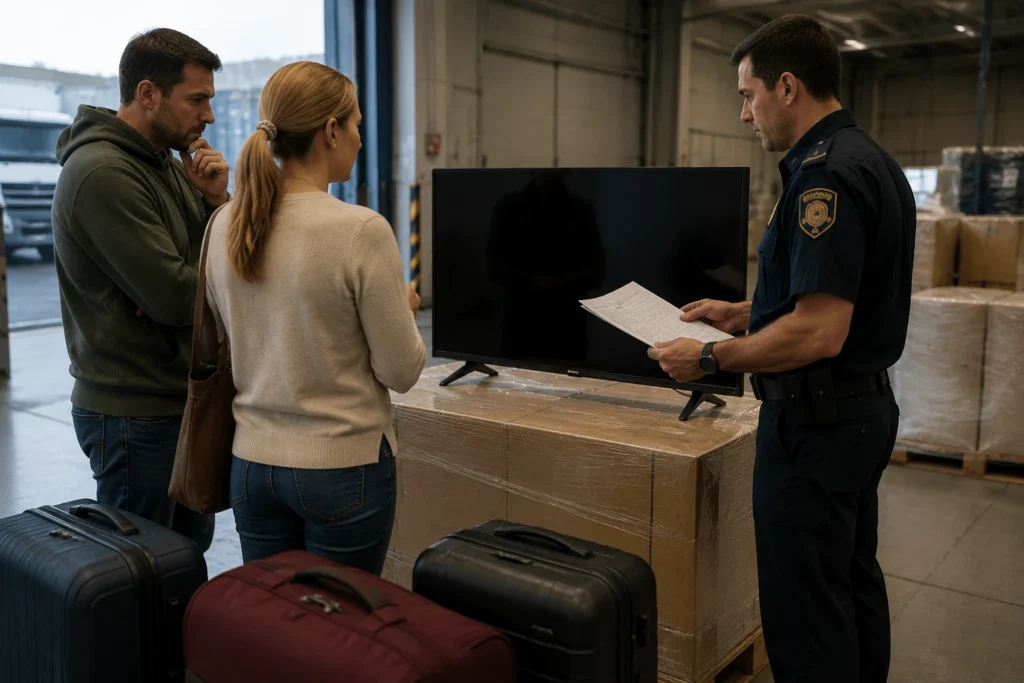
Incorrect valuations, missing forms, and incomplete declarations send shipments straight to inspection. And once your shipment gets pulled into inspection, the clock stops being yours. Most inspection holds run two to three weeks, and in some destination countries, that timeframe stretches even longer depending on the backlog.
To make things worse, clearance officers don’t miss much. For example, if you declare your television at $200 but your packing list shows a 65-inch Samsung, agents will pull your shipment aside. That’s before factoring in missing contact details, which leave agents with no way to reach you for further information.
If the paperwork side feels overwhelming, your moving company can cross-check your declared values, forms, and personal details well before departure. A second set of eyes on your paperwork before departure has saved many multiple shipments from a lengthy border holdup.
What to Have Ready Before Your Container Gets Packed?
A verified packing list and your important documents need to be ready before your container gets packed. Plan by getting these four things in order before departure:
What to Prepare | Why It Matters |
Packing list | Customs agents match every declared item against this document at the border |
Important documents | A missing visa copy, passport scan, or signed declaration can stall your shipment for weeks |
Professional packing | Agents open and assess unlabelled or poorly packed boxes individually |
Storage solutions | If your shipment arrives before you do, a local storage facility keeps your goods secure |
Air freight | Passports, legal documents, and valuables are better sent ahead via air freight than packed in a container |
After handling hundreds of international moves, we’ve found that paperwork errors cost people more time and money than restricted items. Your moving company’s additional services can review every declaration, valuation, and contact information before your container gets loaded.
One Step Away from a Hassle-Free Move
A lot goes into moving overseas, and customs clearance is the step that either holds everything together or brings it to a halt at the border. And as you’ve seen throughout this guide, most of the common causes are well within your control.
We covered the documents customs agents check first, the goods that get flagged at the border, and the small oversights that send shipments straight to inspection. Your paperwork is the passport your belongings need.
HomePort NorthWest takes care of the entire customs process on your behalf. Our team walks you through every document, declaration, and requirement, so your household goods reach your new home on time and without holdups.
The last thing you want is a customs holdup cutting into your time overseas before it even begins.