
An international moving checklist helps you plan every step before shipping your belongings overseas, including visas, paperwork, and packing. Since each stage depends on the previous one, missing an important document could delay your shipment at customs.
At Homeport Northwest, we see plenty of people start too late, and the cost turns up as storage fees and rebooked sailings. From that experience, we continue to advocate for why early planning makes the process easier to manage.
In this guide, we’ll cover moving timelines, budgeting, customs documents, choosing a removalist, and packing for sea freight. You’ll also learn where you can reduce costs without putting your belongings or moving schedule at risk.
Where Your International Moving Checklist Starts

Most families moving internationally underestimate how early they need to prepare. The process often takes months rather than weeks, especially when visas, shipping schedules, and customs paperwork are involved.
Good relocation planning starts with three tasks: researching your destination, setting a realistic budget, and deciding what to take. Work through them in order.
1. Research Your Destination Country Early
Your destination country’s rules affect what you can bring, so check them before booking your shipment. Visa conditions, quarantine restrictions, and customs regulations vary by country, and some items require special permits.
For instance, New Zealand requires travellers to declare used outdoor equipment, such as camping gear and dirty boots. Officials may require cleaning at your expense if they find soil or other contamination. And failing to declare risky goods can even lead to an NZ$400 instant fine.
Once you’ve checked customs requirements, look into school terms, health insurance, and local driving licence rules. These details will help you choose a moving date that works for your family and avoids unnecessary delays.
2. Build a Realistic Budget and Timeline
Your budget should cover shipping, paperwork, and setting up your new home. Sea freight companies generally charge based on shipment volume, so the amount you take affects your quote.
Keep in mind that rental bonds, flights, moving insurance, and temporary accommodation can quickly stretch your budget. So it’d be wise to set aside extra funds for unexpected charges, including storage or customs inspections.
From there, work backwards from your flight date and pin those dates to your moving overseas checklist. Add visa deadlines, packing dates, shipping bookings, and document submissions to the checklist too.
Note: Sea freight follows scheduled departures, so missing a booking deadline could delay your shipment until the next available sailing.
3. Decide What to Take and What to Leave Behind at Home
Since volume sets the price when shipping belongings overseas, leaving bulky or unnecessary items behind is the cheapest saving strategy on the whole move. That old couch you never liked might cost more to ship than replacing it after arrival.
Appliances deserve particular attention. Australian household electricity runs at 230 volts and 50 Hz, while US homes generally use 120 volts and 60 Hz. This means some appliances will need a suitable voltage converter, while others won’t work safely even with one. So check each appliance’s voltage and frequency rating before packing it.
For belongings you’re still undecided about, short-term storage gives you time to settle into your new home. After a few months, you’ll have a clearer idea of what you miss. You can then arrange another shipment, keep the items in storage, or sell them.
Which Important Documents Do You Need Before Moving Abroad?
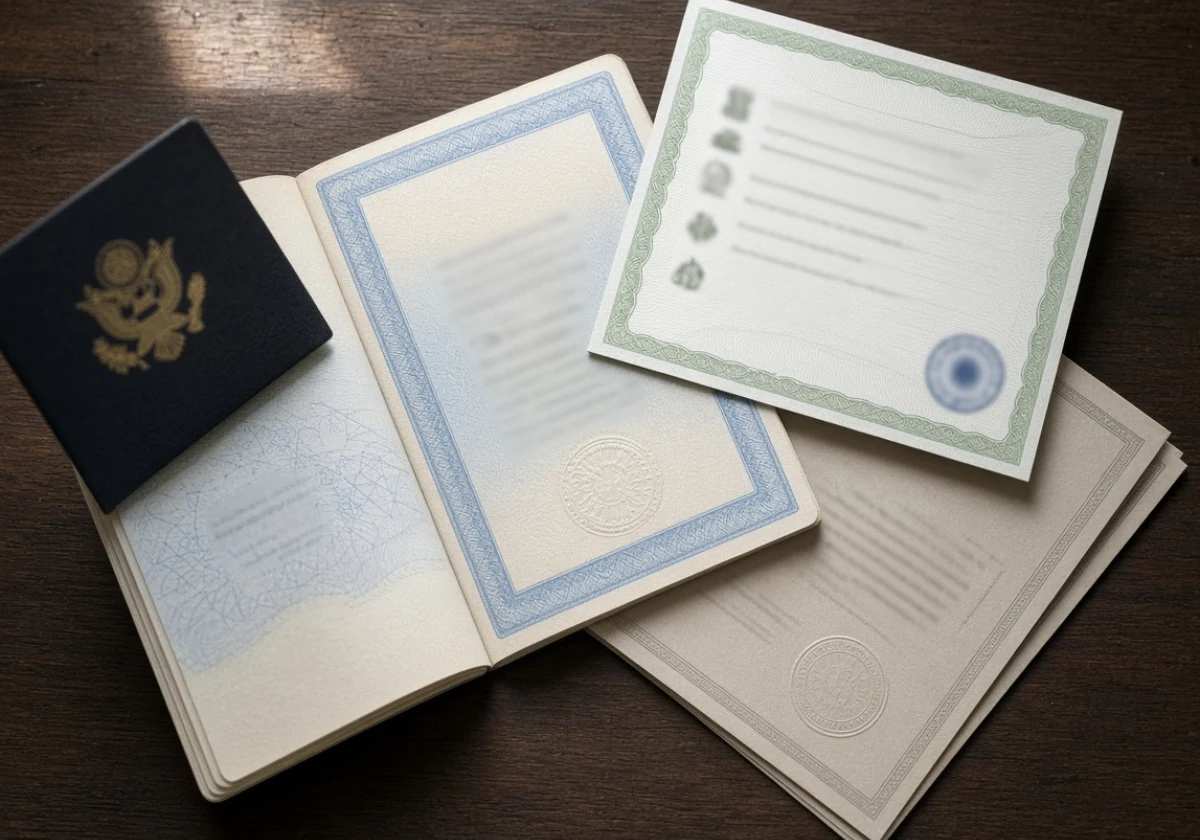
Before you move abroad, you need valid passports, visas, birth certificates, medical records, and proof of your finances. Officials at both ends want originals or certified copies. A photo on your phone won’t do.
Keep the following on your relocation checklist and in one folder that flies with you:
- Passports and Visas: Check that every passport has at least six months of validity left. Some countries require six months of validity beyond your arrival date. Lodge for visas first, since processing times vary and delays could affect your moving schedule. Don’t forget to verify entry requirements for every family member, including children.
- Civil and Legal Documents: Birth and marriage certificates help prove family relationships when applying for visas or enrolling children in school. Some countries require certified translations or official authentication before accepting foreign documents. Contact the relevant authorities early in this case. Obtaining replacement certificates and translations can take several weeks.
- Health and School Records: Ask your GP for vaccination records, prescription details, and a summary of ongoing medical needs. Confirm the medication import rules before travelling, especially for prescription drugs. For children, request recent school reports and transfer records so their new school can assess the appropriate year level.
- Proof of Finances: Recent payslips, tax returns and bank statements decide whether a landlord or bank abroad will take you on. Check whether you can open an overseas account before arrival and what documents you’ll need.
Scan each document and save copies in secure cloud storage. Keep the originals and any required certified copies in your hand luggage. That way, you can access important records even if your checked baggage or shipment arrives late.
Choosing an International Moving Company You Can Trust
With your paperwork sorted, the next step is choosing an international moving company that handles your shipment properly. Two quotes might look similar, but one includes delivery to your new home while the other ends at the port. Those differences affect your final costs and the work you’ll need to arrange yourself.
Before choosing a mover, compare these four details to see what each company includes in its service.
| What to check | What it tells you | Good sign |
|---|---|---|
| Door to door or port to port | Where their job ends and your costs restart | A written scope naming delivery to your new address |
| Customs clearance | Who lodges the paperwork at both ends | The mover clears customs as part of the fee |
| Transit insurance | What you recover if a crate falls | Cover based on your own valued inventory |
| Reviews and references | How international relocations really run | Recent reviews naming the same destination country |
Ask at least three international moving companies to quote for the same services. Give each company the same inventory, destination, and delivery requirements so you can compare their prices fairly.
However, before accepting the lowest quote, check for extra charges. Packing, customs inspections, storage, and final delivery may cost extra if the company hasn’t included them.
Moving Abroad Packing Checklist: Keeping Your Belongings Safe in Transit
Sea freight involves weeks of handling, stacking, and movement, and poorly packed boxes leave fragile items at risk of damage.
Start with double-walled cartons and proper packing materials. Ordinary supermarket boxes sometimes collapse under heavy loads. Fill empty spaces with packing paper or bubble wrap to stop items shifting inside. Wrap fragile items like plates individually and pack them upright, like records in a crate, to reduce pressure on their surfaces.
But packing tightly doesn’t mean overloading each box. Distribute heavier items across smaller cartons and keep each box light enough for one person to lift safely. We suggest sealing the bottoms with strong packing tape, then labelling the top and two sides so movers can identify them easily.
Once you’ve packed a box, number it and record its contents and destination room on your moving abroad packing list. Your inventory will also help with customs declarations and checking for missing items after delivery.
A Quick Tip: Photograph fragile and valuable belongings before packing them, especially if you need evidence for an insurance claim.
Finally, prepare a staples bag to carry with you. Include chargers, medications, toiletries, important documents, and a change of clothes. You’ll thank yourself at 11 pm on moving day, when the kettle is still sitting in a container at sea.

Plan Your Overseas Move With Confidence
Moving overseas rewards an early start more than a big budget, because paperwork and sailing schedules set the pace. Every box you sort at home is one you don’t pay to ship.
Pick your dates, lodge the visas, then compare quotes while space is still open on the sailings you want. A checklist for moving abroad that you tick off beats a perfect plan in your head.
Ready to plan your move overseas? Homeport Northwest provides international removals and overseas moving services for households leaving Australia. Contact our team for a free quote and discuss the shipping options for your upcoming move.